Fethard Medieval Walls Walking Guide
Complete circuit of Fethard's 13th-century ramparts. We'll cover the best sections for walking, where to pause for views, and what the walls reveal about medieval life here.
Walking Through Seven Centuries
Fethard's medieval walls aren't just impressive — they're a living timeline. Built starting in the 1300s, these ramparts once protected one of Ireland's most important trading towns. Today, they're remarkably intact, which means you're literally walking where merchants and soldiers walked hundreds of years ago.
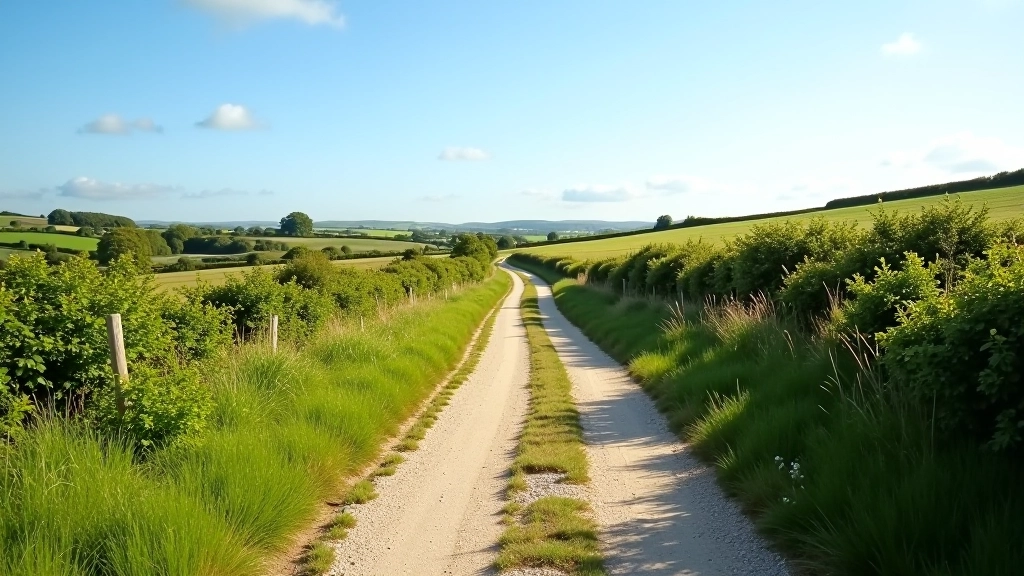
The circuit takes roughly 90 minutes at a relaxed pace, and it's mostly flat or gently rolling terrain. You won't find steep climbs or technical footing. What you will find is genuine medieval architecture, panoramic views of the Tipperary countryside, and several quiet spots perfect for sitting and absorbing the history.
What Makes This Walk Special
Complete Circuit
You can walk the entire perimeter — roughly 2.5 kilometres — without major interruptions. Most sections are accessible from street level or via short paths.
Viewpoints Built In
The walls themselves give you elevation. Several sections have natural viewing areas where you can see across the valley. Bring a camera — the light's particularly good in late afternoon.
History Written in Stone
Unlike many ruins, these walls are readable. You'll see original stonework, repairs from different centuries, and architectural details that tell the story of how Fethard changed over time.
Quiet and Manageable
This isn't a crowded tourist trail. You'll likely have sections entirely to yourself. The terrain's forgiving — it's designed for steady walking, not climbing.
The Route: What You'll Actually See
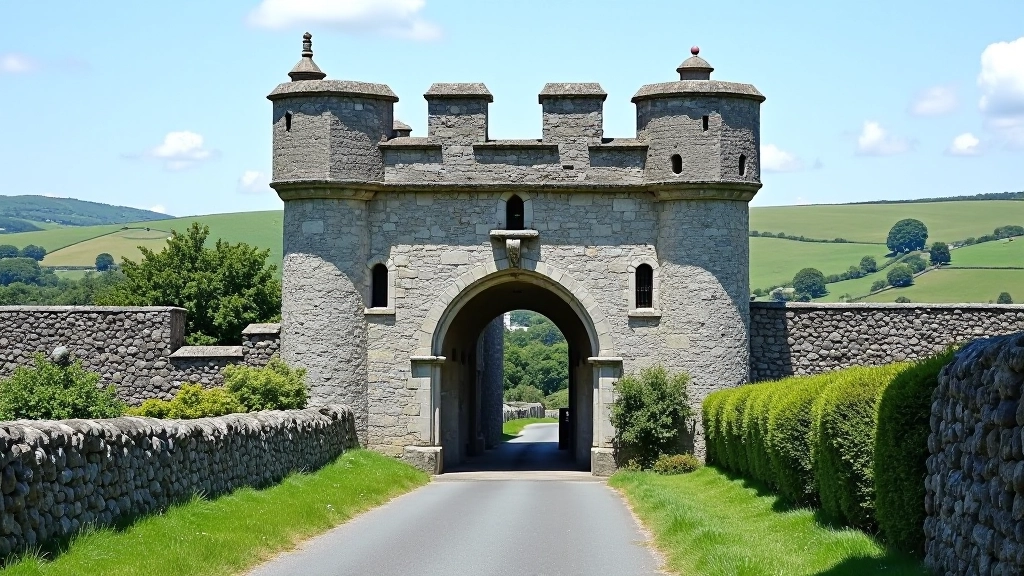
Start at the car park near Main Street and head toward the Watergate Tower — it's the most recognizable landmark. This corner tower's in excellent condition, and you'll understand immediately what you're looking at: a genuine medieval fortification. From there, the walls run roughly north, and you can follow them almost continuously.
The eastern section's the most dramatic. This stretch runs about 800 metres and has several intact wall sections standing 8-10 metres high. There's a good vantage point around the midway mark where you can see the entire valley. It's worth stopping here for 10 minutes — the scale of what they built really hits you.
The northern section's quieter but equally interesting. You'll pass through what was the medieval town's commercial quarter. The walls here are lower but broader, and you'll notice how they integrate with modern buildings — some houses are literally built against the medieval stonework.
Important Information
This guide is educational and informational. While the walking route is publicly accessible, conditions change seasonally. Some sections may have temporary closures for maintenance. Always check locally before visiting, wear appropriate footwear, and be aware of weather. If you have mobility concerns, test the terrain first or ask at the visitor centre about accessible sections. This guide doesn't constitute professional hiking or fitness advice — assess your own capabilities before attempting the full circuit.
Before You Go: Practical Essentials
You'll need sturdy, supportive walking shoes — not trainers. The ground's uneven in places, and the medieval stones aren't forgiving on ankles. A good pair with ankle support makes the difference between enjoying yourself and limping home.
Bring water. There's no reliable water source along the route, and you're exposed in places. A small backpack, light layers, and sun protection are smart choices. If it's been rainy, some sections get muddy — the stone can be slippery. An umbrella isn't practical, but waterproof outerwear matters.
Timing's important too. Early morning or late afternoon gives you better light and fewer people. The walk's feasible year-round, but spring and early autumn have the best weather. Summer can be hot with limited shade. Winter's possible but the stone gets slippery with frost or ice.
Understanding What You're Looking At
The walls aren't uniform. You'll see several distinct construction phases. The oldest sections, from the 1300s, have larger, more roughly fitted stones. Later repairs from the 1500s-1600s are more regular. This layering tells a story — the town kept investing in its defences, which means it was worth defending. Medieval towns didn't maintain walls for decoration. Fethard was prosperous enough to be a target, wealthy enough to rebuild.
Look for the narrow windows and gaps in the walls. These are arrow slits and gun ports. They're not very large — designed to give defenders sight lines while minimizing exposure. You'll also notice that the walls curve and angle at regular intervals. This is intentional. Corners and towers provided overlapping defensive coverage. A medieval military engineer thought carefully about every angle.
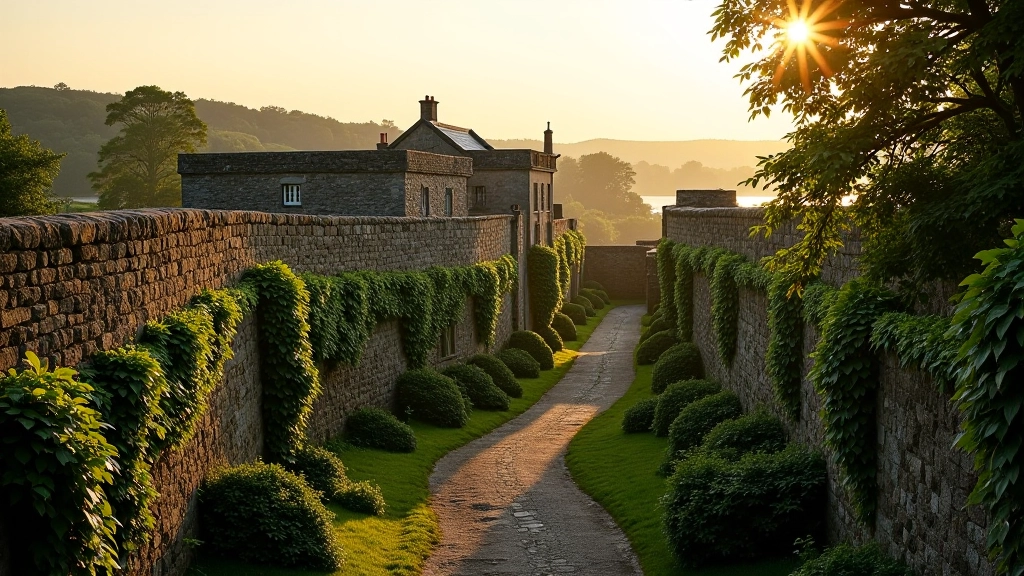
Some walls have ivy and lichen. This isn't damage — it's time working its way. The stone underneath is fine. The vegetation's actually protective, holding moisture that would otherwise cause frost damage. Letting it grow is a conservation choice, not neglect.
Pacing Your Walk
The full circuit works best as three manageable sections, not a single push.
Southern Section (25 minutes)
Start at the Watergate Tower and follow the eastern walls north. This section has the best-preserved stonework and gives you a sense of scale. Stop at the high point — you'll see why the medieval town chose this location.
Eastern Section (30 minutes)
Continue along the northern stretch. This part's quieter and less touristy. You'll pass residential areas where the walls integrate with modern buildings. It's less dramatic than the southern section but more authentic to how people actually live with these medieval structures.
Western Section (25 minutes)
Return via the western walls back toward the starting point. This section's shorter but includes the Watergate Tower and some good viewing areas. You'll end where you started, making it a true circuit.
Why This Walk Matters
Walking Fethard's medieval walls isn't just about the walls. It's about understanding how humans solved problems 700 years ago. They faced threats, built systematically, maintained what they'd built, and adapted it as technology changed. The walls are practical solutions rendered in stone.
You'll also see something you won't get from a museum: scale. A photograph shows you the walls. Walking them shows you what it felt like to live inside these fortifications, how they dominated the town, how they still do. That's something only your own feet can teach you.
The walk's manageable, interesting, and historically significant. It's exactly the kind of thing that rewards taking your time. Bring good shoes, water, and patience for getting lost briefly — GPS works fine here, but the winding streets sometimes make directions confusing. You'll find your way. Medieval towns were designed that way.